



 Sergio Fuertes, Co-founder
The company developed simulation software to change that sequence. Its Machine Simulator Suite allows automation engineers to create a digital representation of equipment from design drawings and begin testing control logic while the physical machine is still being manufactured. This parallel development process gives engineers more time to identify problems before equipment reaches the customer.
“Our idea is to democratise the digital twin tool,” says Rafael Izquierdo, co-founder.
Solving Problems Before the Machine Exists
Traditional machine development follows a series of connected stages. Designers create the drawings, manufacturers produce the parts and mechanical teams assemble the equipment. Electricians then complete the wiring before automation engineers can test the control programmes on the finished machine.
Delays at any stage can push commissioning back. Automation teams often face the greatest pressure because their work comes near the end of the process. By the time a machine is ready for programming, earlier delays may have left engineers with limited time to identify faults and verify machine behaviour.
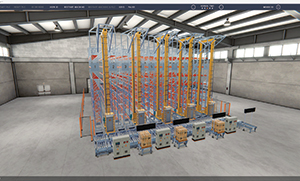 Nirtec’s Machine Simulator Suite allows engineers to start earlier. Using machine drawings, they create a digital model and test PLC control logic against simulated machine behaviour while the physical equipment is still under construction.
The approach can significantly compress the final testing phase. Izquierdo estimates that programming and testing, which would normally take a month to a month and a half, may be reduced to one or two weeks when much of the testing is completed in simulation. Engineers check sequences, test inputs and outputs, and identify logic errors before the machine reaches the commissioning stage. Physical testing remains necessary, but much of the initial debugging takes place earlier.
A Practical Test Under Real-World Pressure
The software also supports modifications to existing industrial equipment. In one project, an engineering company needed to change the control algorithms of a robotic storage system at a large industrial plant during its summer shutdown. The system used two gantries to move parts between a production line and storage magazines, and its existing logic needed improvement to manage part distribution and retrieval more effectively.
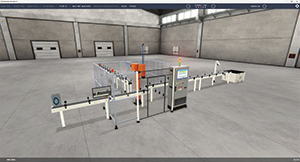 The team had just three weeks to complete the work, with one week for mechanical modifications, one for programming and the final week for testing. The tight schedule left little room for discovering significant problems at the plant.
Nirtec helped the engineering company recreate the machine in a digital simulation environment and test the revised algorithms in its office laboratory. The team then implemented the modifications at the plant, where the system worked as intended. The project demonstrated how simulation could help engineers prepare changes to existing equipment before a restricted maintenance window began.
Nirtec’s software also supports applications outside engineering and commissioning. Sales teams assemble virtual machine layouts from components in the software library and present them through 3D simulations or virtual reality, giving prospective customers a clearer view of a proposed system before placing an order.
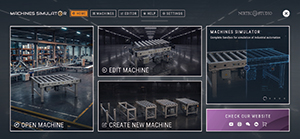 Industrial automation remains Nirtec’s principal focus, particularly the testing of PLC programmes before physical commissioning. Machine Simulator Suite also supports process-flow analysis and mechanical simulation, extending its usefulness beyond the automation department.
Bringing Simulation Within Reach
Nirtec’s commitment to accessibility extends to its pricing model. Izquierdo wants individual engineers and smaller businesses to use capable simulation software without the licensing costs commonly associated with advanced industrial tools.
Machine Simulator Suite is offered at €85 annually for personal use and €300 annually for professional use. The company views affordability as a way to broaden access to digital twin technology without treating lower pricing as a reason to limit its practical capabilities.
The principle also shapes the company’s work in education. Universities and technical schools often have limited access to physical machines, conveyors, sensors and other equipment needed for practical automation training. A small training rig accommodates only a limited number of students at once.
-
Our idea is to democratise the digital twin tool.
Simulation allows students to work on virtual versions of these systems from individual computers. They write PLC programmes, observe machine responses and correct mistakes before moving to physical equipment. Students also learn to create digital models of production equipment, gaining experience in simulation practices they can apply in future automation roles. Teachers can provide more students with practical experience without requiring a separate hardware setup for each learner.
Nirtec also creates digital twins from customer drawings for businesses that lack the time or expertise to build their own models. Training videos and software guidance further help users develop their simulation skills.
Balancing AI with Engineering Judgement
Nirtec is exploring AI-assisted model creation in response to customer interest in generating digital twins from text prompts. Izquierdo approaches this development cautiously because he believes engineers must continue learning how machines work and how control programmes behave.
The company sees simulation as a way to verify AI-generated control logic rather than replace engineering judgement. This distinction is particularly important in industrial automation, where programming errors can affect equipment safety.
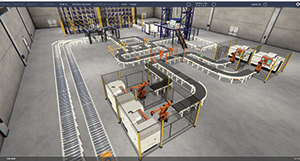 Customer feedback also shapes the roadmap. Nirtec typically releases five to seven software updates annually, incorporating customer suggestions and new content. These releases are provided free to existing users, reflecting the company’s emphasis on continued product development and accessibility.
The Top Industrial Simulation & Digital Twin Software Company of the Year in Europe 2026 award recognises Nirtec’s efforts to make industrial simulation more practical and accessible. Its work helps engineers identify problems earlier, reduces pressure during commissioning and opens opportunities for smaller businesses and future engineers to gain hands-on experience with virtual systems. As AI reshapes engineering workflows, Nirtec’s focus remains on using new capabilities to support simulation while preserving the practical engineering judgement needed to understand, test and validate machine behaviour.
